
延感科技
YanSense
YanSense's flexible thin-film pressure sensing technology, with its ability to conform to human body curves, ultra-thin and soft design, high sensitivity, and high resolution, has been widely applied in medical rehabilitation, ergonomics, intelligent monitoring, and many other fields, providing customers with complete solutions from data collection to analysis and decision-making.
Gait analysis, diabetic foot screening, sports rehabilitation, foot disease diagnosis, custom insole design
Sedentary health, seat ergonomics, wheelchair fitting, intervertebral disc decompression, office ergonomic optimization
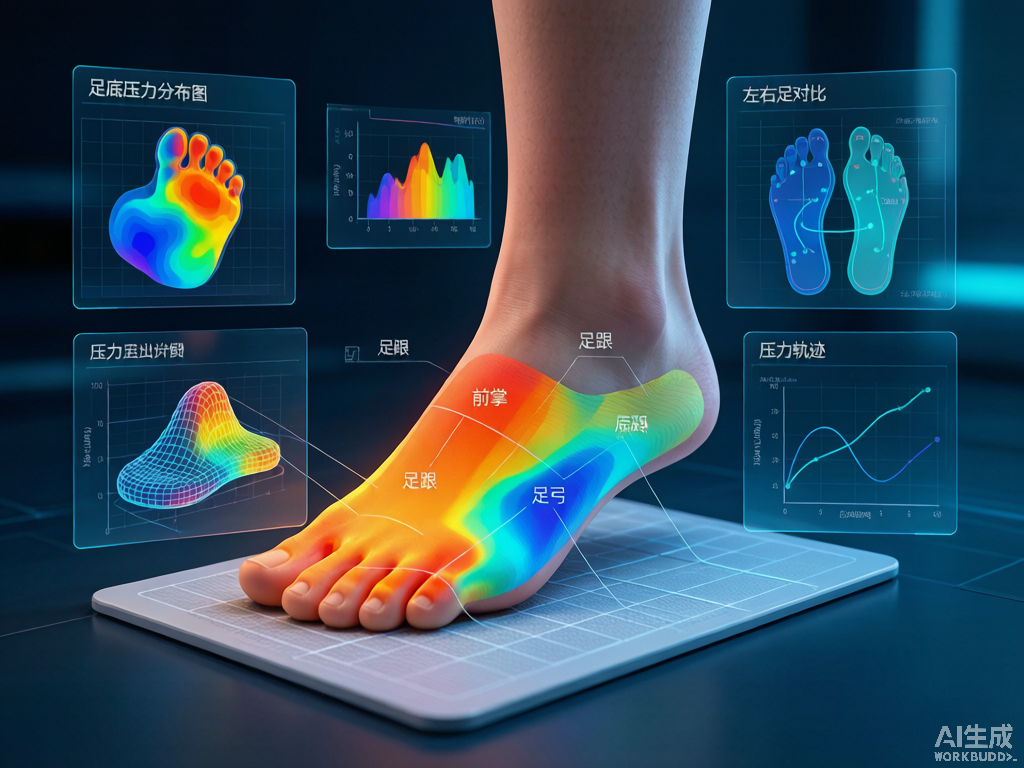
Abnormal plantar pressure in diabetic patients can easily lead to foot ulcers and limb necrosis; sports rehabilitation populations need precise gait data to assist in training program customization; screening for children's foot conditions (flat feet, high arches, in/eversion) requires objective quantitative indicators. Traditional visual inspection methods are subjective, non-quantitative, and difficult to trace.
Using ultra-thin flexible thin-film pressure sensors applied to the plantar surface, static and dynamic pressure distribution of all plantar zones (forefoot, arch, heel, medial/lateral) is collected in natural form, generating real-time 2D pressure cloud maps and 3D pressure profiles.
Replaces traditional Footprint pressure-sensitive paper, pressure plates and other equipment, providing an integrated solution with imperceptible fit, dynamic capture, quantitative analysis, and traceable data; helps hospitals improve diagnostic efficiency by 60%+, helps insole manufacturers shorten customization cycle from 7 days to 1 day.
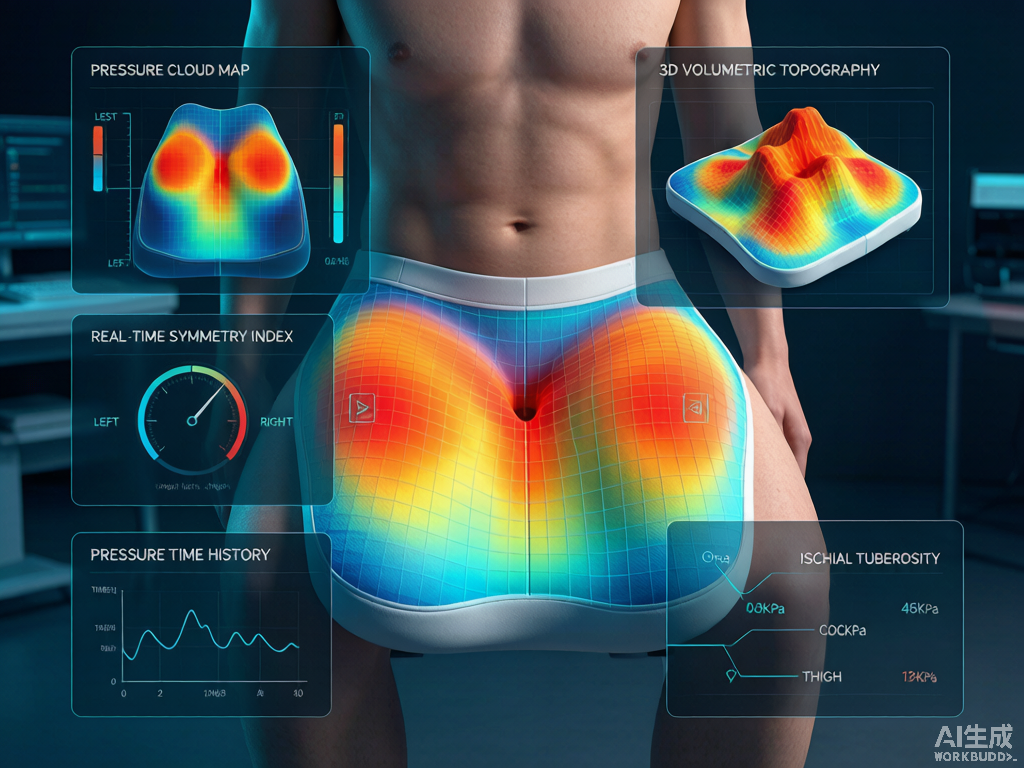
People who sit for long periods (office workers, programmers, ride-hailing drivers, wheelchair users) face issues such as lumbar muscle strain, herniated discs, sacrococcygeal pressure injuries, and poor blood circulation. Traditional seats only focus on subjective "comfort" feelings, lacking objective pressure data to guide seat design and ergonomic improvements.
Flexible thin-film pressure sensor arrays are placed under the cushion to continuously monitor pressure distribution changes over time in key support areas such as buttocks, thighs, and sacrococcygeal region, generating quantitative indicators such as pressure heat maps, symmetry indices, and peak pressure point tracking.
Helps ergonomic seat manufacturers create a "scientific decompression" selling point; provides quantitative fitting basis for driver seats and medical wheelchairs; promotes standardization and data-driven upgrades of office environment ergonomic assessment.
High sensitivity, high repeatability sensor components, meeting medical equipment accuracy requirements; pressure resolution up to 0.5%FS, can identify subtle pressure changes
Ultra-thin (0.3mm) flexible film can fit foot soles, cushions, mattresses, rehabilitation equipment and any curved surface without affecting natural movement and sleep
Comes with professional analysis software, automatically generates pressure heat maps, data curves, rehabilitation assessment reports, symmetry indices and other clinical indicators
Dual-mode local deployment and encrypted transmission, meeting medical data compliance requirements; supports hospital HIS/EMR system integration
Sensor array size, shape, sampling rate, and interface protocols can all be customized, adapting to hospital, rehabilitation institution, home, and commercial scenarios
Successfully validated in multiple scenarios including tertiary hospital rehabilitation departments, smart mattress manufacturers, ergonomic seat manufacturers, and sports medicine institutions